Save us from Climate Change Advocates

Science and society
|

A planetary perspective: observations can inform debate, but policy choices also involve values and trade-offs. NASA / Reto Stöckli · Image source
|
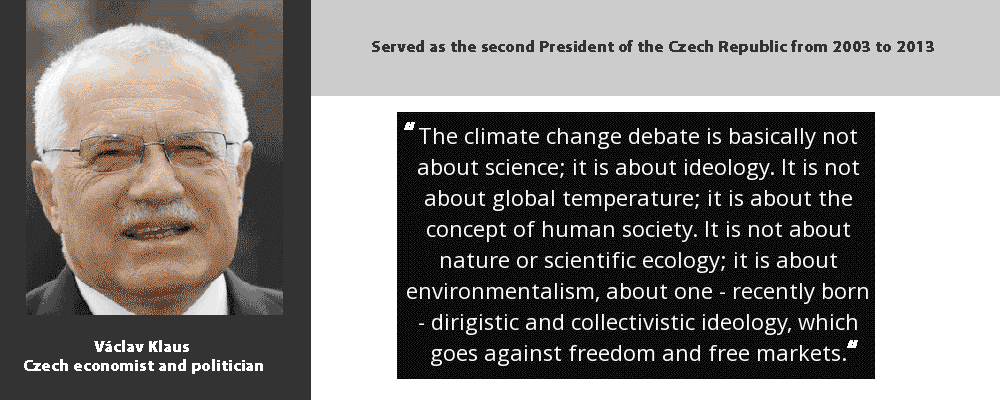
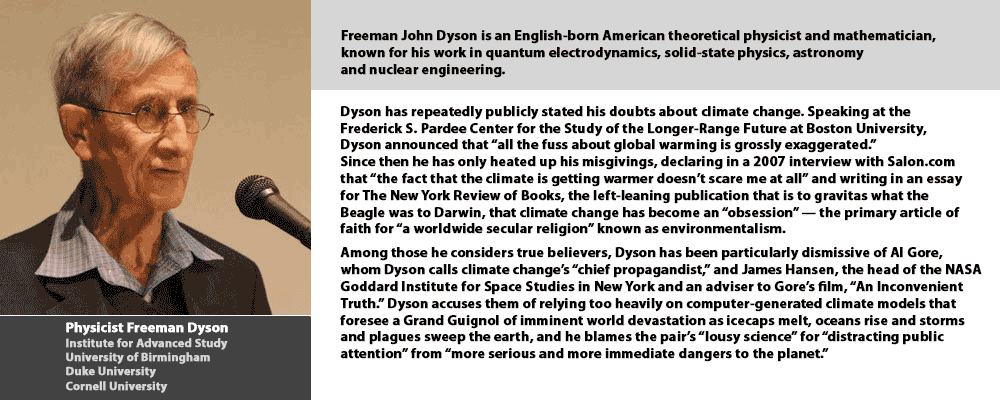
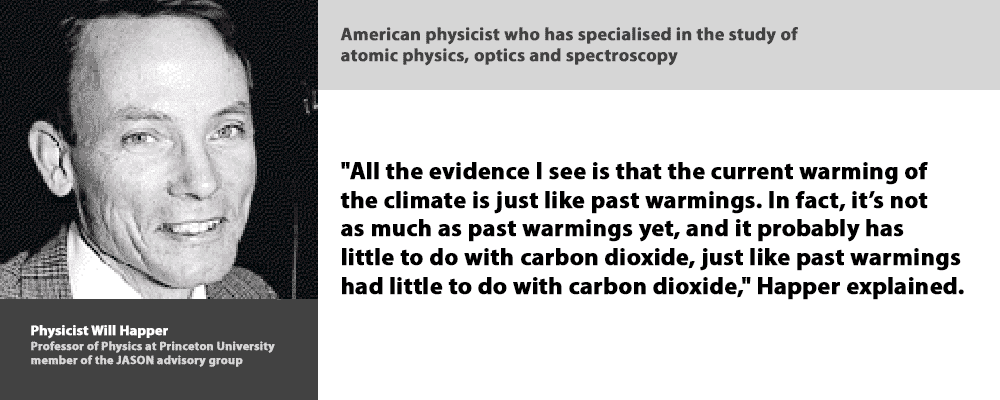
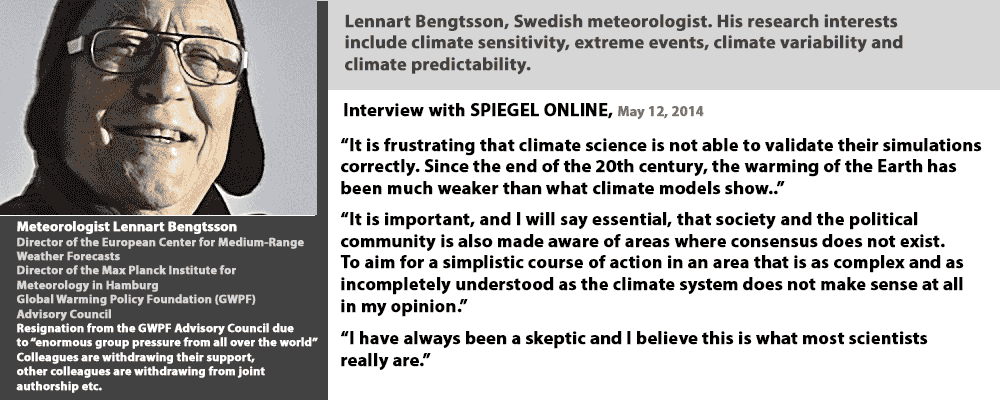
Socio-economics focus on the social impact of some sort of economic change. Such social effects can be wide-ranging in size, anywhere from local effects on a small community to changes to an entire society. Ecological changes like anthropogenic global warming can easily be understood by the public as a potentially ultimate cause of possible socio-economic global impact. Other known causes like new technologies, changes in laws, changes in the physical environment etc. appear to be of lesser significance. Obviously global warming will affect patterns of consumption, the forced distribution of incomes and wealth, the way in which people behave (both in terms of purchase decisions and the way in which they choose to spend their time) and the overall quality of life world wide. Many of the global warming alarmists, representing a wide array of political persuasions, jumped on the bandwagon of the Greens and Environmentalists movement, characterising Global Warming as human-made in an effort to obtain their own dark political agenda. The climate advocates exaggerate and make a mountain out of a molehill and call climate denial a form of treason. These agendas are mainstream, inflexible and rigid and imply so called "certainties" centered on fundamental disaster premises.
The intention of these programs of action is to produce widespread fear and uncertainty among people to prepare for change of the world economic structure in order to move to a different concept of growth. They strongly advocate that the lifestyle of the establishment in the world is not a sustainable model. They say they can make the trouble go away if they can just force the developed nations to cut their levels of consumption. The one thing that seems to hold all these advocates together is a leftist, anti-capitalist view of society. They are generally lost for a meaning in life, so they believe only in humanity as the central being, almost as a supernatural entity. When all the pretense about science is stripped away, it becomes clear that the global warming scare is not about the planet, but about establishing egalitarianism across the world. It is about making everyone more equal by slowing growth in rich nations rather than increasing growth in poor and developing countries. The socialistic mind-set is focused on transfer to the underlying principle for global equity and "climate stabilisation" is the means to an end.
Scientific evidence can inform policy, but it does not by itself settle every political or economic choice. Keeping these stages separate makes it easier to scrutinise both scientific claims and policy arguments.
For the underlying climate indicators, see WMO 2025 and IGCC 2025.
Scientific findings can be used in political arguments, but that does not make the underlying measurements or physical mechanisms political inventions. Conversely, a scientific assessment does not automatically dictate one particular tax, subsidy, regulation or energy strategy.
A careful debate should separate three questions: what has been observed; what explanations are best supported and with what uncertainty; and what society should do in response. The third question involves economics, ethics, distributional effects, energy security and competing priorities as well as science.
Scrutiny should apply to every side: researchers should disclose methods and uncertainty, advocates should represent findings accurately, and policy-makers should explain costs, benefits and trade-offs. Evidence-based criticism is strongest when it addresses specific claims rather than assuming motives.
Sources: IPCC AR6 Summary for Policymakers · WMO State of the Global Climate 2025.